Understand energy.
Make better decisions.
What makes your procurement safer. What explains your costs. And what questions you should ask before your next contract.
Find a topicWhere would you like to begin?
48 posts & toolsSelected for your next step: Assess risks, prepare procurement, understand consumption.
48 posts displayed.

Additional payment despite advance payments: Electricity and gas in commercial enterprises
Additional payment despite advance payments? A business example separates forecasts, measured values, annual costs and payments – and explains the next advance payment.

Creating and correctly interpreting an annual load duration curve from a load profile
Creating an annual load duration curve from load profile data: with a calculation example, correct time axis and clear limits for data gaps, operating time and electricity costs.
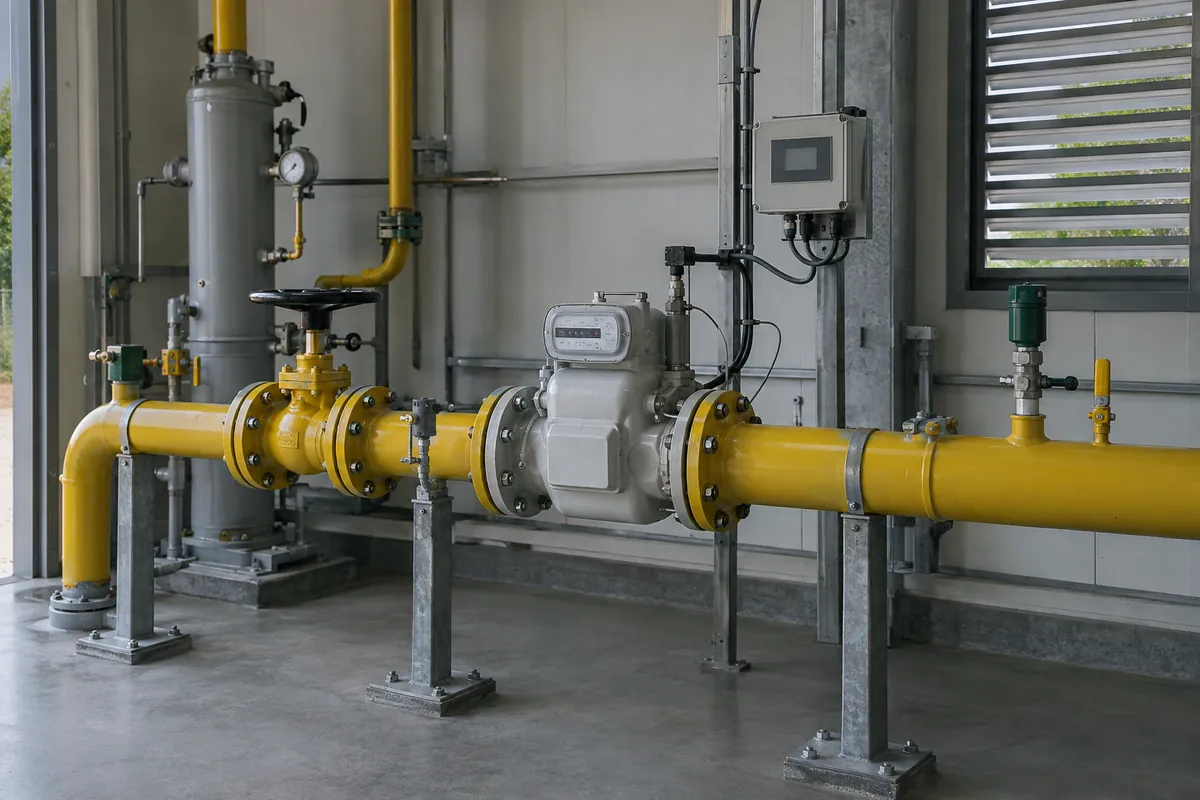
RLM for gas: Measurement methods, limits and required data
Classifying RLM for gas: Which limits have applied since 2026, which exceptions are possible and which measurement data companies need for clarification.
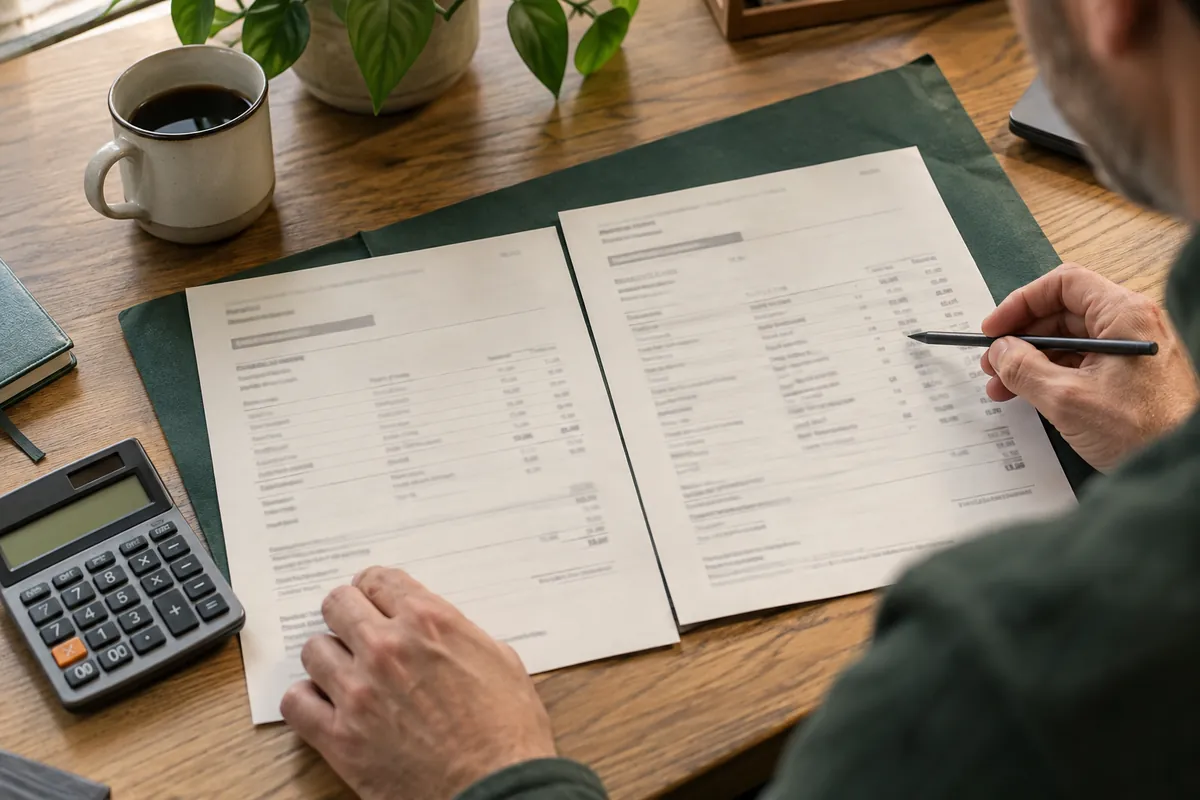
Checking your business gas bill: What explains the amount?
Understanding gas bills for businesses: Checking meter readings, gross calorific value, price periods, and advance payments. Includes a calculation example and a specific template for asking questions.

Leipzig Power Exchange: Understanding and comparing prices.
Historical day-ahead prices since 2015. With year-on-year comparison, monthly and daily details.

Technology provides structure. Experience decides.
How OPTUM Pro and personal assessment prepare the procurement process.

When the fixed price arrives too late.
Spot and hybrid: options when the market is already expensive.

When the price rises. And the supplier fails.
What price shocks mean for your company – and which warning signs you should take seriously.

Secure the price. Consider energy supply.
Why a good contract needs more than a low energy unit price.

Clearing, margin and OTC: Understanding collateral in energy trading
Why even hedged energy traders need short-term cash. Clearing, margin and OTC explained in an easy-to-understand way – with an interactive payment example.

Balancing groups, delivery schedules and imbalance energy for businesses
How planned and actual energy quantities are balanced. Balancing group, schedule and balancing energy explained in an easy-to-understand way – with an example and questions about your supply contract.
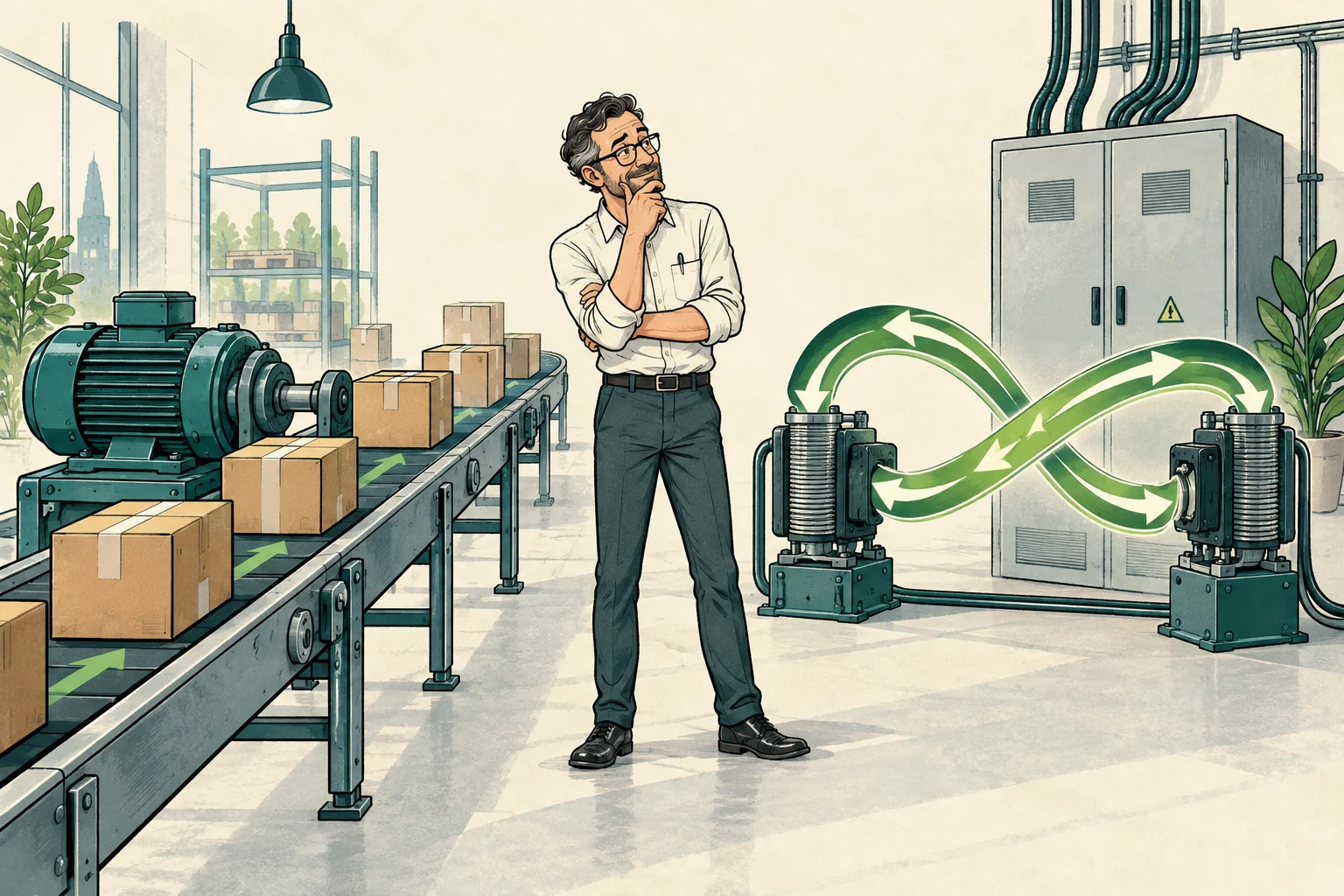
Reactive power and reactive energy: understanding business costs
Does your electricity bill include reactive energy? We explain kW, kvar and kvarh, the calculations and the questions to ask before planning reactive power compensation.

Network load and residual load: SMARD data explained in an easy-to-understand way
What remains of the grid load when wind and solar power are subtracted? Compare SMARD data and read what residual load explains for energy procurement.

Wind and solar power: Interpreting SMARD data for companies
How much wind and solar power is fed into the grid throughout the day? Explore published SMARD data and learn how companies can interpret these trends.

Dynamic electricity tariffs for businesses: How to properly assess flexibility
When your business uses electricity determines the cost of a dynamic tariff. Here is how to assess metering, loads that can be shifted to another time, and price risks for your business.

Preparing for energy tenders: Documents for companies
Invoice, consumption history, contract end date: With these documents, companies receive electricity and gas offers that can be meaningfully compared.

Power outage in the workplace: Responsibilities and preparation for restart
What processes companies should clarify before a supply interruption – from reachable contacts to an orderly restart.

Procuring commercial gas correctly: Compare offers on an equal basis
Reviewing commercial gas offers: Align price components, CO₂ costs, quantity rules and contract duration on a common basis for comparison.

Sourcing green electricity: Understanding certificates of origin and PPAs
What does a certificate of origin prove, what does a PPA regulate – and who supplies the missing quantities? This is how companies prepare a transparent green electricity supply.
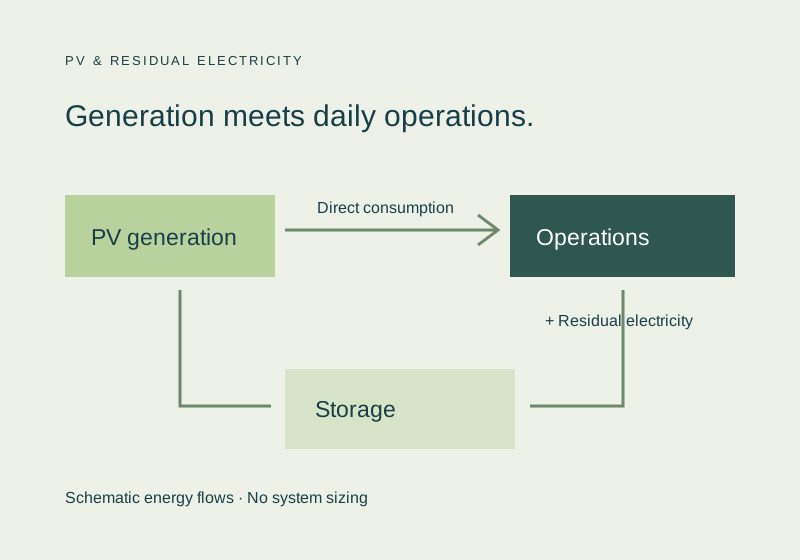
Solar PV, storage and contracts for remaining electricity needs
A PV system changes when your company needs grid electricity. Here's how to align self-consumption, storage requirements, and your residual electricity contract with the same operational workflow.

On-site charging: peak loads and electricity procurement
Your fleet is to be electric. How much electricity does it need, when do the vehicles need to be charged, and what does that mean for the connection and supply contract?

Process heat in the company: Check requirements before procurement
Drying, washing, heating: Why process heat requires different planning than space heating and which data improves energy procurement.

Heat pump in commercial applications: Planning electricity demand and procurement
A heat pump changes a business's electricity consumption. Here's how to combine heat demand, electrical power, and supply contract before investing.

Electricity and gas for hotels and hotel chains
From breakfast to base load: This is how hotel groups connect the daily operations of their hotels with reliable procurement planning.

Energy in bakeries: Focus on the bakery and branches
Before the first sale, the ovens and refrigeration units are already running. This allows you to coordinate the needs of the bakery and branches, compare operating hours, and prepare electricity and gas quotes.

Electricity procurement for refrigeration plants and cold storage facilities
Cold storage facilities must reliably maintain temperatures. How to identify continuous demand, deliveries, and peak loads in the electricity profile and use this information as a basis for procurement.

Compressed air electricity costs: base load, leaks and purchasing
The compressor is running even though production has stopped. What are the costs – and what is actually needed? Here's how to check compressed air consumption and its impact on electricity procurement.

Check peak loads and network charges for RLM customers
Why can network costs rise even though annual consumption remains the same? Here's how to check peak loads, billed demand, and potential changes in operations.

Check load profile data: CSV, units, and identify data gaps
You have received a load profile file: Are the delivery point, unit, and time details correct? These steps will help you identify errors before they distort the price comparison.

Energy monitoring in the company: Measurement data for purchasing
The bill is rising – but is it due to the price or the consumption? Here's how to combine measurements and operational processes into key performance indicators (KPIs) that your purchasing department can use.

Organizing electricity supply point changes for property management companies
New property, different property manager, or new electricity supplier? Here's how to organize contracts, meter readings, and responsibilities – from handover to the first bill.

Energy procurement for multiple locations: Pooling quantities
Tendering for multiple locations together: Here's how to organize delivery points, consumption and contract end dates without losing important differences in comparison.

Energy contracts: Organizing deadline management for companies
When does the energy contract expire, when does it need to be terminated, and who approves the new offer? This helps companies keep track of deadlines and next steps.

Quantity range in the electricity contract: Understanding excess and shortfall quantities
Forecast quantity, tolerance and billing: This is how companies check how an electricity offer handles higher or lower consumption.

Planning your energy budget: Separate consumption, prices, and deviations.
What will energy costs be next year? Plan consumption and prices separately, calculate any deviations, and take changes in operations into account.

Check your business electricity bill: quantity, price and billing period
Has your electricity bill really gotten more expensive? Check your consumption, prices, and monthly payments step by step – with a calculation example and specific follow-up questions.

Which model is suitable for the business?
Clearly separate the scope of delivery and pricing. Includes a comparison matrix, a calculation example, and questions to help you prepare.
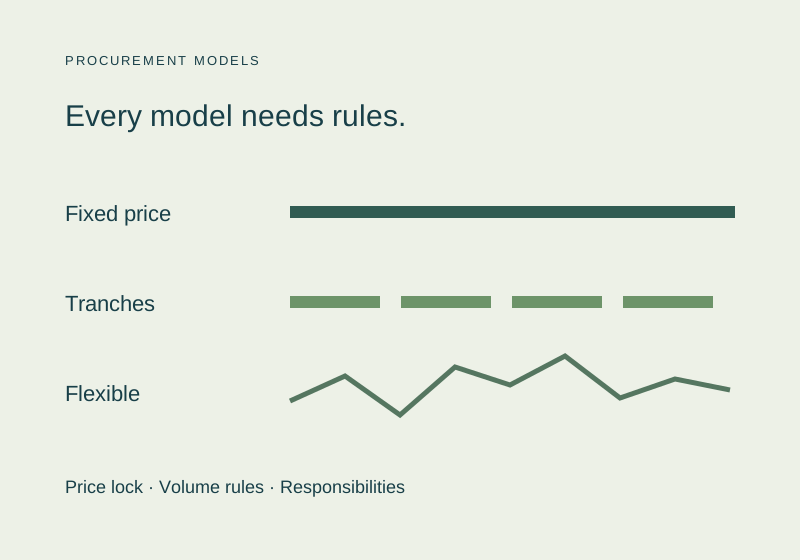
Making energy prices predictable: fixed prices, tranches and flexible models
Which procurement method suits your business best? Compare fixed prices, tranches, and flexible components based on budget, consumption, and the effort required to make your decisions.

Strategies for electricity procurement
Fixed price, spot market and tranches: Understanding procurement models and consciously weighing their differences.
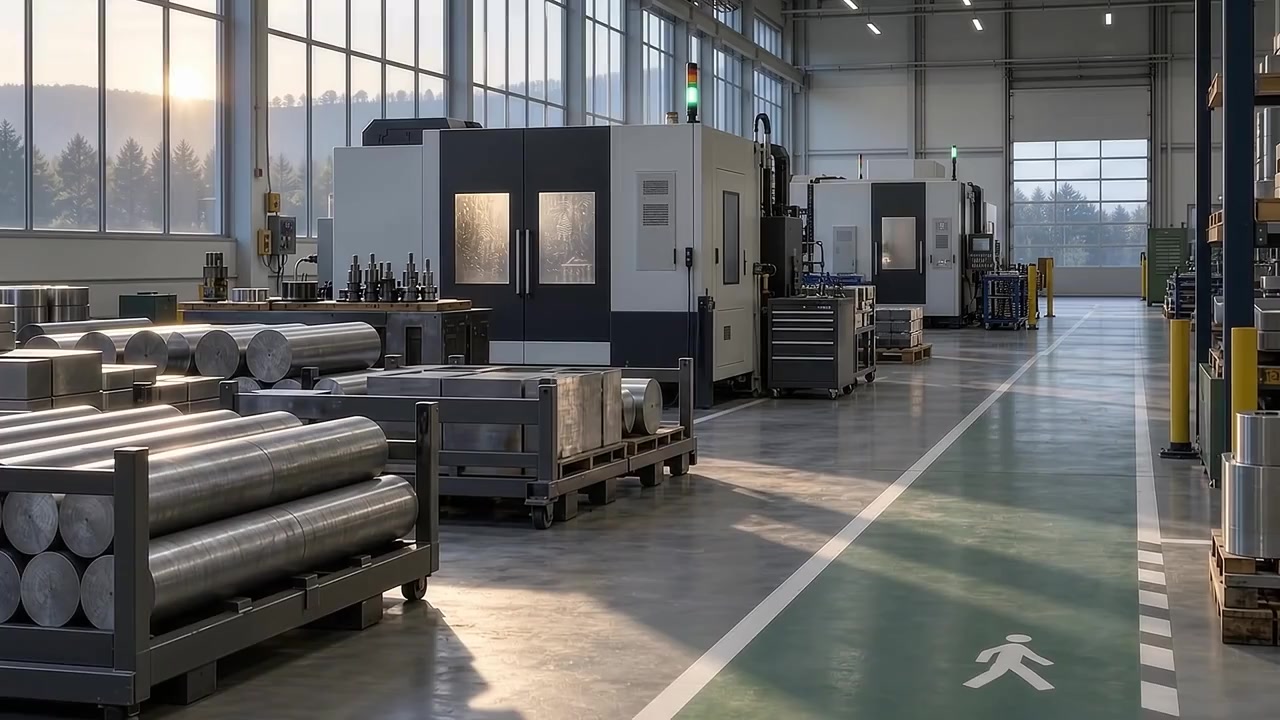
The load profile in manufacturing
Knowing when you need energy is just as revealing as knowing the amount. Here's how to read load profiles and identify patterns in your operations.

Spot market and futures market
Two procurement methods – and different requirements for predictability. Featuring SMARD price data, freely selectable time periods, and verifiable averages.

Electricity cost calculator
Combine power, operating time and energy unit price. Calculate the energy consumption of individual machines, lighting groups and office equipment.

Converting gas from m³ to kWh.
Calculate with your invoice values. Understand the formula and result.
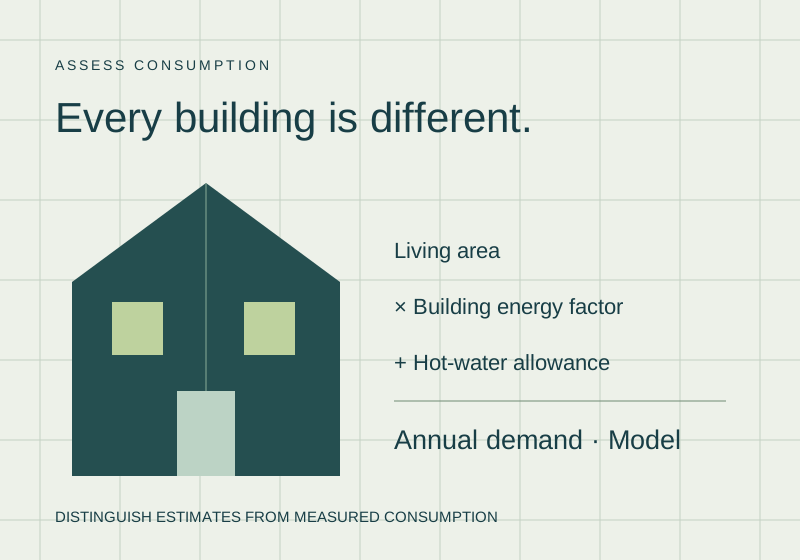
Calculate gas consumption
Calculate gas consumption from meter readings. Includes a guide for residential buildings and detailed tables for property management companies.

Switching electricity suppliers
Preparing your company's next electricity contract: Understanding offers, contract durations, and deadlines. Includes the general basics of switching providers.
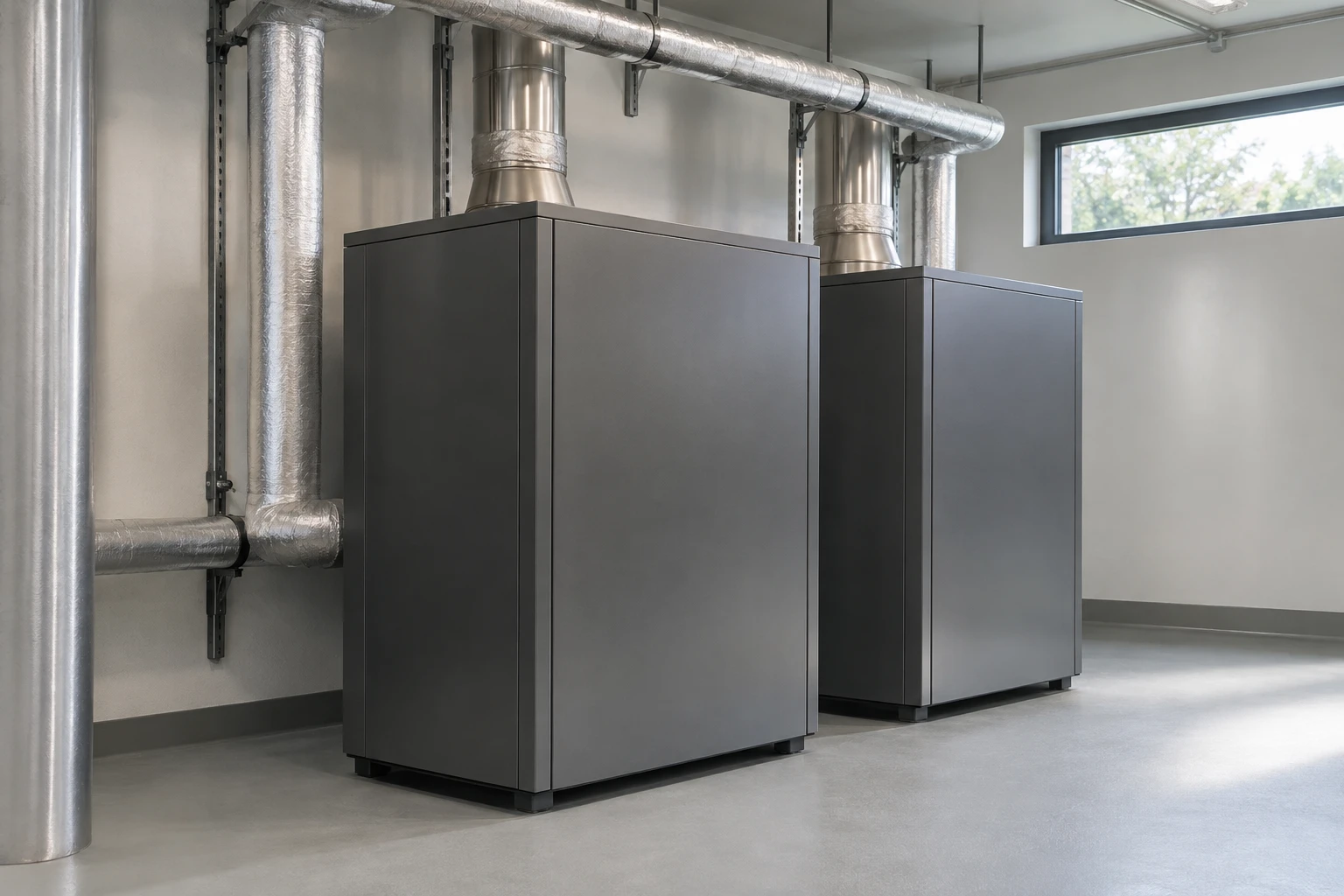
Business gas
What matters when comparing gas prices for businesses: consumption, procurement and suitable contract terms.
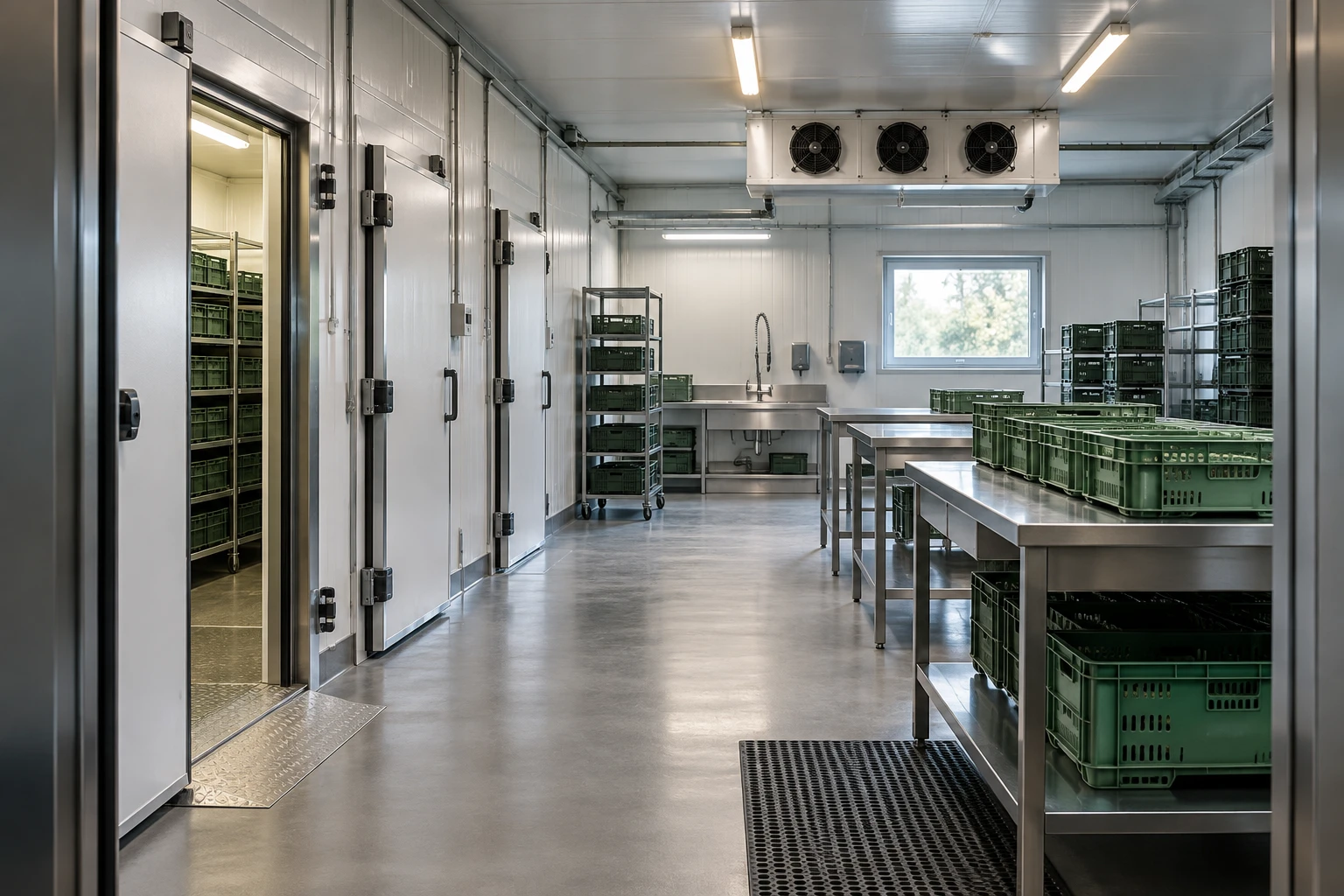
Understanding commercial electricity
Consider tariffs, consumption, and contract terms in context. The comprehensive guide to your business electricity.

Save electricity
Check operating hours, lighting, and office equipment. Includes an assessment for businesses and detailed basics on saving electricity.
What does your energy need?
Send us the key details of your request. We will then discuss consumption, contracts, and goals.