
The electricity demand doesn't end at the end of the workday.
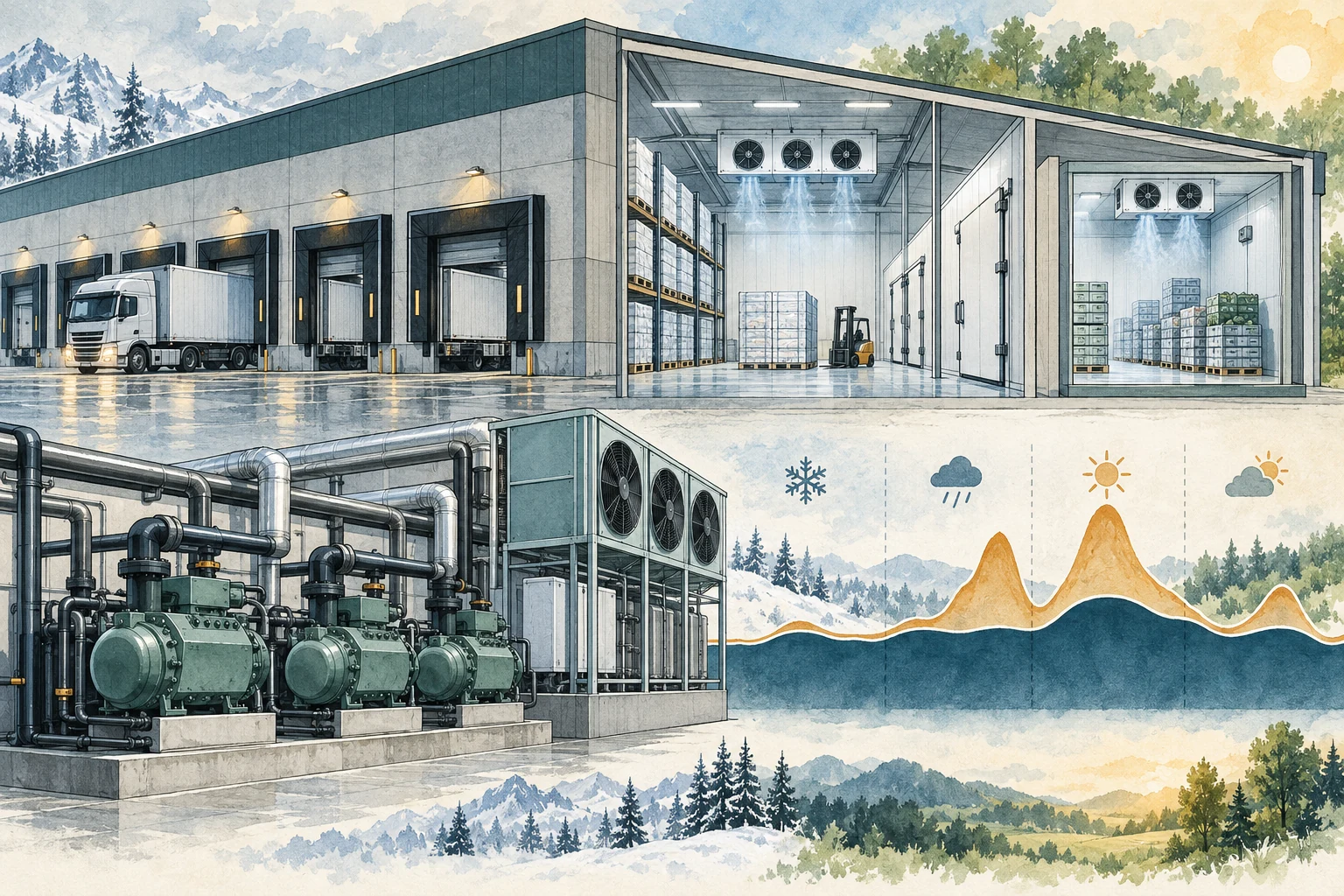
In a refrigeration operation, systems often run outside of shipping or production hours. Therefore, the annual volume alone only represents one aspect of the procurement task. For purchasing, the demand outside of working hours, additional loads throughout the day, and the differences between workdays and weekends are crucial. Continuous refrigeration operation does not equate to a constant electrical power draw: compressors, defrost cycles, and other systems can operate at different times.
Break down the energy consumption by cooling, other production processes, lighting, and other consumers. A load profile for the entire site initially shows the total consumption. It does not prove which individual system caused a peak. For that, additional measurements or a reliable comparison with operational processes are needed.
Four questions about your load profile
- What is the recurring demand outside of working hours?
- What changes coincide with goods deliveries, frequently opened gates, processing, or shipping?
- What differences do comparable weeks show with higher outside temperatures or altered goods handling?
- Which peaks are recurring and which are one-off events?
An unusual reading should initially prompt a review. Maintenance, a change in usage, or a measurement error could also be the cause. Use the load profile guide to distinguish between power and energy and to correctly interpret time-based graphs.
Flexibility requires technical approval
More favorable market hours are not a sufficient reason to independently reduce the system operating level. Temperature requirements, product quality, permissible operating conditions, and the specifications of the technical managers take precedence. Only then can it be assessed whether a load component can be shifted.
Document the system component, the shiftable power, the duration, and the permitted operating limits. Also note when the catch-up cooling power is required. Otherwise, a reduction in demand in the morning could simply create a new peak in the afternoon.
A technical efficiency measure and a purchasing strategy fulfill different purposes. The National Climate Protection Initiative describes energy-efficient refrigeration and air conditioning systems as an approach to reducing electricity and operating costs. Whether a specific measure is technically suitable or eligible for funding must be assessed separately.
Which procurement model is suitable?
A consistent demand can simplify quantity planning, but it doesn't protect against rising prices. With a fixed price, the scope and duration of the price agreement are crucial. With a dynamic model, the actual market prices at which consumption occurs also play a role. A simple, unweighted monthly average doesn't automatically reflect individual procurement costs.
First prepare two calculations: supply with unchanged operations, and a scenario with the load shifts confirmed as technically feasible. This shows how much of a possible price advantage actually depends on changes to plant operation. A business whose consumption can hardly be shifted assesses price fluctuations differently from one with approved flexibility in timing. Compare using the same load profile and delivery period. The article Dynamic electricity tariffs for businesses explains the associated opportunities and risks.
How to prepare for the conversation
Helpful documents include the last annual invoice, a load profile covering as full a year as possible, the contract duration, and a brief description of the cooling task. Assign operational notes to any unusual days, such as maintenance, additional goods handling, or a changed shift schedule. Include any planned expansions or shutdowns. Technically confirmed flexibility should be documented; a rough estimate should be marked as an open question.
Discuss your refrigeration operation's electricity requirements with OPTUM. For an initial assessment, we will jointly consider consumption, contract terms, and cooling requirements. Any open technical questions will remain clearly marked; only confirmed operational changes will be included in the offer comparison.