Self-generated electricity also changes electricity procurement
The photovoltaic system is planned, and the electricity contract continues. At this point, the two projects should be considered together. The external procurement process doesn't simply result in the same demand with a smaller annual sum. Solar generation, operating times, and potential storage options all change when your company needs electricity from the grid.
This section therefore focuses on integrating in-house generation into the procurement process. The design of the system, grid connection issues, and the specific metering concept also belong in the specialist planning. A common data basis is helpful for purchasing: load profile, expected generation, commissioning, and planned control system.
Place production and demand on the same time axis
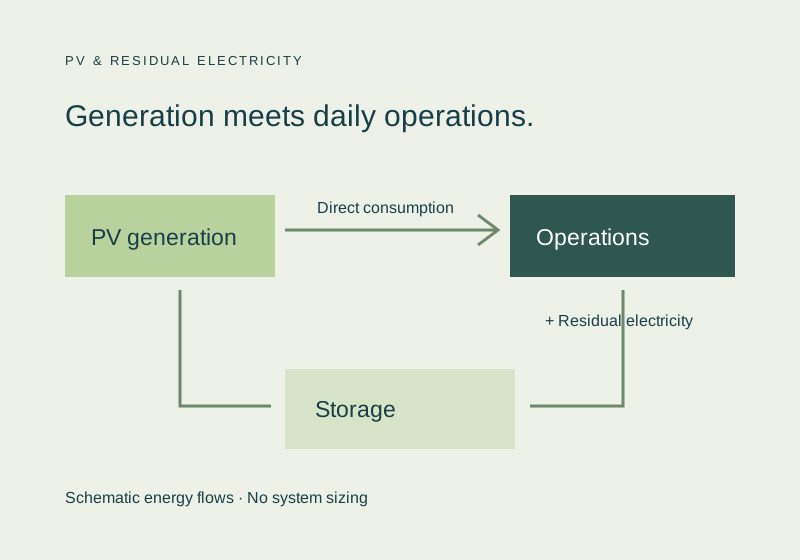
High annual production does not necessarily guarantee a corresponding simultaneous supply for operations. On a sunny weekend, there might be surplus electricity, while an early shift on Monday requires grid power. Therefore, compare production and consumption over the same time intervals. Direct consumption is the solar power your business uses during generation. Feed-in is the surplus that goes into the public grid. Grid imports is the additional energy supplied from the grid. These three quantities should be clearly identifiable in your planning.
In its dossier "More than just electricity from the roof," dena describes how energy management makes energy flows visible and can combine flexible consumers with generation. Crucial factors are the operational load profile and the actually controllable systems. Source: dena/KEDi on energy management with photovoltaics.
Follow the example : The PV example in the load profile compass shows a modeled grid imports with solar influence. Compare it with the operating times. For actual self-consumption, you also need suitable generation and consumption measurements.
What task should the storage device perform?
Increased self-consumption, time shifting, and limiting peak loads are different objectives. Determine which takes priority and when power or stored energy must be available to achieve it. A storage system currently being used for another purpose cannot simultaneously absorb every peak load without limit.
The German Energy Agency (dena) points out that storage size, available surplus energy, and usage must be compatible. Oversized storage systems, despite their technical functionality, can be economically unfavorable. Further information: KEDi dossier, section on electricity storage. In your calculations, also consider losses, usable capacity, operating conditions, and costs.
When choosing a storage system, pay attention to two specifications: The usable capacity in kWh describes the available amount of energy. The charging and discharging power in kW limits how quickly this energy can be absorbed or released. Therefore, a different storage system may be suitable for a short, high power peak than for supplying a long evening shift. Additionally, the control system must determine which task it prioritizes in case of conflicts.
Reflect the remaining requirements in the contract
A simplified example without storage: A company needs 200 MWh per year. A PV system generates 100 MWh; of this, 60 MWh are used directly in the business and 40 MWh are fed into the grid. The remaining grid imports in this example is 140 MWh. The annual generation alone would therefore have made the grid imports appear too low.
This example also distinguishes between two often confused key figures: The direct self-consumption rate is 60 out of 100 MWh, or 60 percent of the PV generation. However, in relation to operational consumption, the system covers 60 out of 200 MWh, or 30 percent. A high self-consumption rate therefore does not automatically mean that the business can largely manage without grid electricity.
Discuss with the supplier how a changed grid-import profile, volume deviations and the commissioning date will be considered. Also ask what happens if commissioning is delayed or the installation is out of service for an extended period. Before making a commitment, the existing supply contract, arrangements for selling generated electricity and the new operating plan should be aligned.
Compare with real data after commissioning
After commissioning, comparison with measured values shows whether the plan holds up. Regularly compare forecast and measured generation, direct consumption and grid imports. Attribute significant deviations to weather, operational changes or technical causes where the data allows this. Record, for example, an additional shift or an inverter failure against the affected period. This helps distinguish one-off deviations from lasting changes in demand for the next procurement period.
For connections with demand metering, the analysis of peak loads and network charges complements the quantity calculation. A dynamic tariff, in turn, requires a separate evaluation of price and load profiles. OPTUM integrates these relationships into the framework of electricity procurement for businesses, ensuring that self-supply and external purchases are planned on the same basis.